The Search for Bari Waste Data: Beyond Travel Itineraries
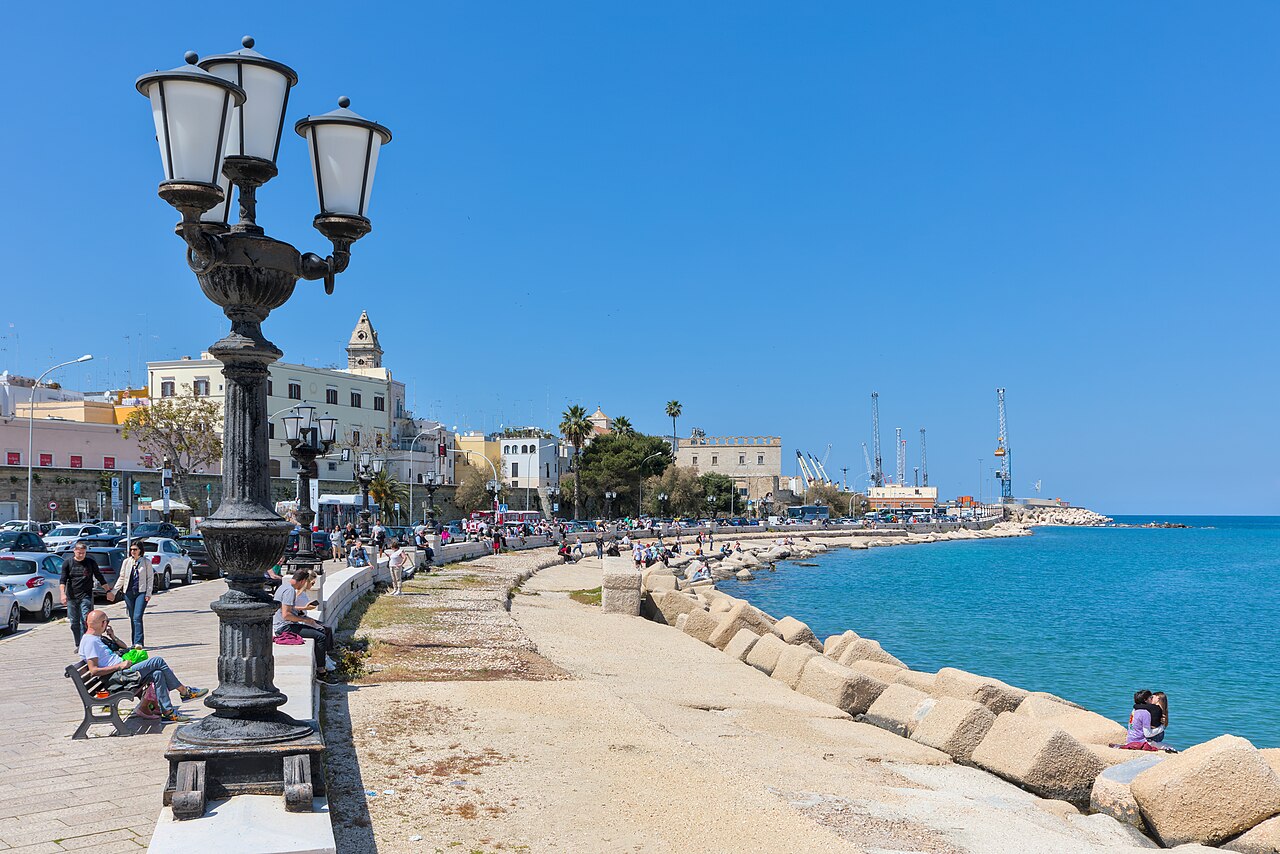
Bari, the vibrant capital of Italy's Puglia region, captivates visitors with its historic old town, stunning Adriatic coastline, delicious Orecchiette pasta, and a warm, inviting atmosphere. Tourists flock to explore sights like the Basilica di San Nicola, wander through Bari Vecchia, or enjoy fresh seafood by the harbor. Yet, for those seeking a deeper understanding of the city – perhaps investigating specific civic challenges like environmental concerns or waste management issues – the typical travel guide proves notably silent. While resources like Lonely Planet, Italia.it, and Never Ending Voyage excel at highlighting the "best things to do" and "places to visit," they offer no insights into a "bari waste investigation" or related topics. This significant disconnect underscores the need for a different approach when searching for critical local data that extends far beyond the well-trodden tourist paths.
The Disconnect: Why Travel Guides Don't Cover Waste Investigations
The absence of information regarding a "bari waste investigation" in popular travel guides isn't an oversight or a deliberate concealment; it's a fundamental difference in purpose. Travel guides are meticulously crafted to inspire wanderlust, provide practical itinerary suggestions, recommend dining experiences, and immerse readers in the culture, history, and beauty of a destination. Their primary objective is to facilitate a pleasant and memorable tourist experience, focusing on attractions, amenities, and general local flavor. Topics like municipal waste management, environmental challenges, or potential public inquiries simply fall outside their editorial scope.
Consider the typical content of such guides: detailed descriptions of architectural marvels, suggested walking tours, lists of top restaurants, hotel recommendations, and cultural etiquette tips. These are invaluable for a traveler planning a vacation. However, a person looking for data on Bari Waste Investigation: Why Tourist Guides Say Nothing is operating with an entirely different set of needs. They are likely researchers, journalists, environmentalists, or concerned citizens interested in the city's operational realities rather than just its picturesque facade. This divergence means that anyone embarking on a serious quest for information on civic or environmental issues in Bari must venture far beyond the enticing pages of a tourist brochure. The very nature of travel writing dictates a focus on the appealing, leaving the complexities of urban infrastructure and governance to other, more specialized sources.
Navigating the Information Landscape: Where to Look Beyond the Postcards
Given the limitations of travel-centric resources, finding credible information about a "bari waste investigation" requires a strategic shift in research methodology. The key lies in targeting sources designed to report on local governance, societal challenges, and environmental affairs. Here’s a breakdown of where to direct your search:
- Local and Regional News Outlets: Italian newspapers, both in print and online, are invaluable. Look for publications based in Puglia or Bari itself. Websites like La Gazzetta del Mezzogiorno, BariToday, or national papers with strong regional coverage such as La Repubblica Bari or Corriere del Mezzogiorno are prime starting points. Search their archives using Italian keywords like "inchiesta rifiuti Bari" (Bari waste investigation), "gestione rifiuti Bari" (Bari waste management), "emergenza rifiuti Bari" (Bari waste emergency), or "inquinamento Bari" (Bari pollution).
- Municipal and Regional Government Websites: The official website of the Comune di Bari (Municipality of Bari) and the Regione Puglia (Puglia Region) are crucial. These sites often publish public documents, official notices, environmental reports, and details of local initiatives or investigations. Navigate to sections related to environmental policy, public works, or transparency.
- Environmental NGOs and Advocacy Groups: Local and national environmental organizations (e.g., Legambiente, WWF Italia, or smaller regional groups) often monitor and report on waste management issues, illegal dumping, and environmental quality. They may conduct their own research, publish reports, or participate in public campaigns that could shed light on a Finding Bari Waste Info: Not in Travel Sites Reviewed because they focus on the deeper societal issues.
- Academic Research and University Studies: Italian universities, particularly those with environmental science, urban planning, or sociology departments (such as the Università degli Studi di Bari Aldo Moro), may have conducted studies or published papers on local waste management challenges, public health impacts, or sustainability efforts in Bari and Puglia.
- Investigative Journalism and Documentaries: Sometimes, specific waste scandals or environmental issues become the subject of in-depth investigative reports by national television programs or specialized online platforms. These often offer a comprehensive and critical perspective.
- Legal and Court Records: If a "bari waste investigation" has reached a formal legal stage, public records related to court proceedings or official inquiries might be accessible, although these can be more challenging to navigate without legal expertise or local assistance.
Remember that information, particularly on sensitive topics, may primarily be available in Italian. Utilizing translation tools and being persistent with varied keyword searches will be essential for success.
Unpacking the Potential Scope of a "Bari Waste Investigation"
While the specific details of any potential "bari waste investigation" are not revealed in general travel contexts, we can infer the broad scope such an inquiry might cover based on common challenges faced by urban centers globally and in Italy. Understanding these potential facets is crucial for anyone attempting to piece together information on this topic.
A comprehensive investigation into waste management in Bari could encompass several critical areas:
- Illegal Waste Disposal and Landfilling: One of the most persistent issues in waste management is unauthorized dumping, often driven by organized crime or cost-cutting measures. An investigation might look into instances of illegal landfills, the disposal of hazardous materials, or illicit burning of waste, and their environmental and health impacts on Bari's populace and surrounding areas.
- Corruption in Waste Management Contracts: The lucrative nature of waste collection, transport, and disposal contracts can make them susceptible to corruption. An investigation might scrutinize tender processes, contract awards, financial irregularities, or alleged kickbacks involving public officials or private companies. This could involve examining the transparency and fairness of the system designed to manage Bari's waste.
- Efficiency and Effectiveness of Current Systems: Beyond illegality, an investigation might also assess the operational efficiency of Bari's existing waste collection, sorting, and recycling programs. Are recycling rates meeting targets? Are collection schedules adequate? Are facilities for waste treatment and disposal sufficient and up to standard? This could uncover systemic inefficiencies or areas needing significant improvement.
- Environmental and Public Health Impacts: Poor waste management directly affects the environment (soil, water, air pollution) and public health. An investigation might examine health data, analyze pollution levels, and connect them to waste-related practices, potentially identifying specific communities or ecosystems at risk within the Bari metropolitan area.
- Citizen Complaints and Activism: Local residents and environmental groups often raise alarms about waste-related problems. An investigation could review the history of citizen complaints, protests, and community-led initiatives, providing insight into public perception and the areas of greatest concern.
- Policy and Regulatory Compliance: Italy, like other EU nations, has stringent environmental regulations. An investigation might assess Bari's compliance with national and European waste directives, identifying areas where policies are being violated or are insufficient.
Understanding these potential avenues allows researchers to formulate more targeted search queries and know what kinds of documents and reports to look for when delving into the intricate world of Bari Waste Investigation: Why Tourist Guides Say Nothing.
Practical Tips for Effective Research
- Master the Keywords: Beyond "bari waste investigation," use Italian terms like "inchiesta rifiuti," "discarica abusiva" (illegal landfill), "smaltimento illecito" (illicit disposal), "ecologia Bari," and "ambiente Puglia."
- Utilize Translation Tools: Google Translate or DeepL can be invaluable for understanding Italian sources and crafting accurate search queries.
- Focus on Dates: Specify timeframes. Is the investigation recent or historical? Adding years (e.g., "inchiesta rifiuti Bari 2023") can narrow results.
- Cross-Reference Information: Always verify information from multiple independent sources to ensure accuracy and reduce bias.
- Consult Local Experts: If possible, reaching out to academics, journalists, or environmental activists in Bari directly could provide invaluable leads and context.
- Be Patient and Persistent: Finding specific, in-depth information on complex civic issues often requires considerable effort and digging.
The quest for data on a "bari waste investigation" is a journey that quickly diverges from the scenic routes offered by tourist guides. It demands a researcher's mindset, a willingness to engage with local language and institutions, and an understanding that the most profound truths about a city often lie beneath its beautiful surface. While Bari rightly celebrates its rich history and vibrant culture, a complete picture of the city includes acknowledging and understanding the challenges it faces, such as those that might lead to a significant environmental inquiry. By knowing where to look and how to ask the right questions, one can move beyond curated travel narratives to uncover the critical, often complex, realities that shape a modern European city.