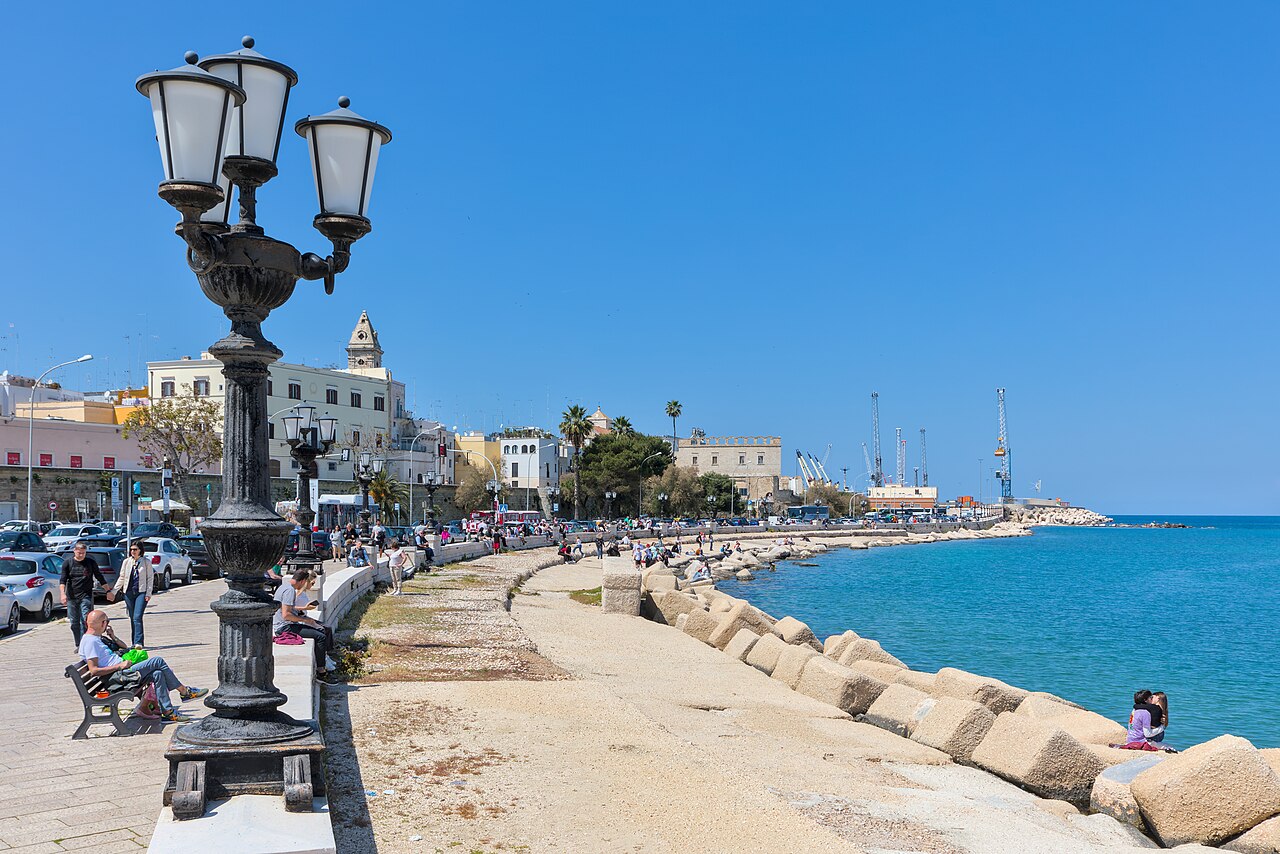
The Curious Case of Bari: Why Tourist Guides Remain Silent on Waste Investigations
Bari, a captivating port city on Italy’s Adriatic coast, is renowned for its charming old town, historic basilicas, delectable cuisine, and vibrant atmosphere. As countless travel guides attest, it's a destination brimming with experiences, from wandering the labyrinthine streets of Bari Vecchia to savoring freshly made orecchiette pasta. However, for those seeking information on a specific topic – a bari waste investigation – the silence from these very same popular travel resources is striking. Leading publications like Never Ending Voyage, Lonely Planet, and Italia.it, which meticulously detail the best things to do, see, and eat in Bari, offer not a single mention of waste management challenges, let alone an investigation.
This absence isn't an oversight or an indication of a secret cover-up. Rather, it speaks volumes about the fundamental purpose and scope of tourist guides. Their mission is to inspire travel, facilitate enjoyable trips, and highlight the positive attributes of a destination. Local civic issues, even significant ones, typically fall outside their purview. This article delves into why traditional tourist guides might intentionally or unintentionally omit discussions about a bari waste investigation, where one might actually find such information, and what this tells us about the broader landscape of urban tourism and local realities.
The Selective Lens: Why Travel Guides Prioritize Postcards Over Policy
Travel guides are curated experiences. They are designed to paint an attractive, aspirational picture of a destination, focusing on elements that will entice visitors and enhance their stay. When a tourist picks up a guide to Bari, they expect to find recommendations for the best focaccia, directions to the Basilica di San Nicola, or tips for a day trip to Alberobello. They are looking for reasons to visit and ways to maximize their leisure time, not an exposé on municipal services.
Prioritizing Pleasure: The Mandate of Tourist Publications
The business model of travel publications relies on promoting destinations. Highlighting local environmental or administrative challenges, such as a bari waste investigation, could inadvertently deter potential visitors. While responsible journalism would cover such issues, travel guides operate under a different imperative. Their editorial guidelines typically steer clear of topics that might cast a negative light on a city, unless those issues are so pervasive and undeniable that they directly impact the tourist experience (e.g., widespread unsanitary conditions visible in major attractions). For the most part, a city's waste management system, even if undergoing scrutiny, rarely makes the cut for a "Top 10 Things to Do" list.
The Local vs. Tourist Lens: Different Priorities, Different Narratives
Consider the divergent priorities of a local resident versus a transient tourist. For a resident of Bari, efficient waste collection, recycling programs, and the integrity of environmental policies are daily concerns that directly affect their quality of life. An investigation into waste management could be a topic of heated debate, local news headlines, and political significance. For a tourist, however, their interaction with the city is often superficial and short-lived. Their primary concerns revolve around safety, accessibility of attractions, quality of accommodation, and dining experiences. Unless bins are overflowing in the Piazza Mercantile or there's a significant visible impact on the aesthetic appeal of key tourist zones, waste management issues simply don't register on their radar. Tourist guides, by design, cater to the latter perspective.
Beyond the Brochures: Where to Find Insights on Bari's Urban Challenges
The absence of information on a bari waste investigation in travel guides doesn't mean such issues don't exist or aren't important. It simply means one must look beyond the glossy pages of tourist brochures. Understanding the full picture of any city, including its civic challenges, requires a deeper dive into local news, governmental reports, and community discussions.
Digging Deeper: The Role of Local Media and Citizen Engagement
If there were an ongoing bari waste investigation, the most reliable sources of information would be Bari's local newspapers, regional news websites, municipal government portals, and local activist groups. These platforms are dedicated to reporting on issues that affect the local populace, including infrastructure, public services, and political oversight. For instance, a quick search on Italian news sites or Bari-specific forums might yield articles about waste collection tenders, recycling initiatives, environmental protests, or indeed, any official investigations into waste management practices. This is where one would find the granular details that travel guides deliberately omit. For those interested in understanding the full spectrum of challenges and achievements in Bari beyond its tourist facade, exploring these local resources is crucial. You might find it helpful to read about the broader challenge of Finding Bari Waste Info: Not in Travel Sites Reviewed, which further explores this disparity.
Responsible Tourism: Beyond Sightseeing
Even without a specific "investigation" being widely publicized, responsible tourists can contribute positively to a city's environmental well-being. This includes:
- Disposing of waste properly: Always use designated bins and follow local recycling guidelines where available.
- Minimizing consumption: Opt for reusable water bottles and bags to reduce plastic waste.
- Supporting sustainable businesses: Choose accommodations, restaurants, and tour operators that demonstrate a commitment to environmental responsibility.
- Being aware of local conditions: While not the focus of a holiday, a general awareness of urban challenges can foster a more empathetic and informed travel experience.
Understanding the intricacies of a city's daily operations, even its waste management, can enrich one's appreciation for its resilience and the efforts of its citizens. The search for detailed information about civic matters, like a bari waste investigation, highlights the difference between surface-level tourism and a deeper engagement with a destination. To further explore the difficulty in uncovering such details, consider reading The Search for Bari Waste Data: Beyond Travel Itineraries.
Understanding Bari: A City Balancing Charm and Civic Reality
Bari, like any vibrant urban center, is a tapestry of historical beauty, cultural richness, economic activity, and daily life challenges. Its appeal to tourists is undeniable, and rightly so. The city has made significant strides in recent years to enhance its public spaces, promote its cultural heritage, and improve the overall visitor experience. These efforts are often highlighted by travel guides, drawing more people to discover its charms.
However, beneath the picturesque surface, cities constantly grapple with the practicalities of urban living, including traffic, housing, public services, and environmental management. Waste management is a universal challenge, particularly for cities that experience high tourist volumes, which can significantly increase waste generation. While a specific, high-profile bari waste investigation might not be making international headlines or appearing in tourist pamphlets, it's reasonable to assume that like any major city, Bari's local authorities and citizens are continuously working to improve their urban environment, including their waste management systems.
The tourist guides' silence on such matters is not an indictment of Bari itself, but rather a reflection of the tourism industry's inherent focus. They serve as gateways to discovery, enticing travelers with the promise of beauty and adventure. For those who wish to delve deeper into the civic pulse of Bari, to understand the nuanced realities beyond the sun-drenched piazzas and ancient cathedrals, the journey of investigation begins not with a travel guide, but with local news, community platforms, and a genuine curiosity for the everyday life of this remarkable Italian city.