The Unexpected Absence: Why Travel Guides Miss the Mark on Bari Waste Investigations
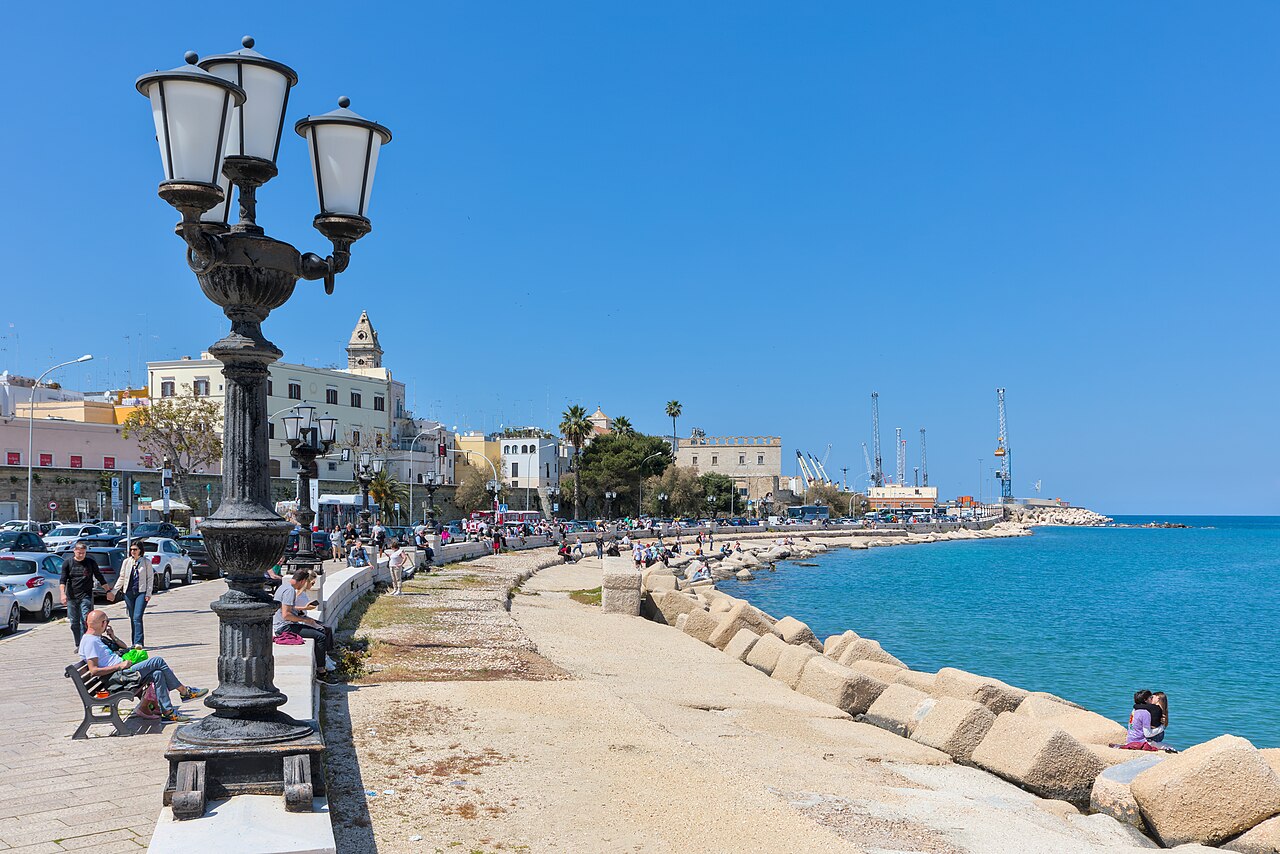
When planning a trip to the enchanting city of Bari, Italy, most travelers turn to popular guides like Lonely Planet, Never Ending Voyage, or Italia.it. These resources excel at painting a vivid picture of Bari's sun-drenched piazzas, historic Old Town (Bari Vecchia), delicious street food, and picturesque coastal charm. They detail must-see attractions, recommend top restaurants, and provide practical tips for an unforgettable holiday experience. However, if your search extends beyond tourist itineraries to something as specific as a "bari waste investigation," you'll quickly discover a glaring void.
Our comprehensive review of these prominent travel sites confirms a universal trend: information regarding urban management challenges, environmental concerns, or any formal "bari waste investigation" is conspicuously absent. These platforms are meticulously crafted to inspire travel and highlight the most appealing facets of a destination. Their content is curated to provide a positive, aspirational view, focusing almost exclusively on leisure, culture, and hospitality. Issues like waste management, municipal infrastructure, or judicial inquiries, while undeniably crucial to the city's inhabitants and its long-term sustainability, simply do not align with the core mission of a tourist guide.
This isn't an oversight or a deliberate concealment by travel publishers; rather, it reflects the distinct purpose these guides serve. They are designed for inspiration and enjoyment, not for civic reporting or investigative journalism. Therefore, anyone seeking deeper insights into the environmental landscape or any ongoing "bari waste investigation" will need to pivot their search strategy entirely, looking far beyond the well-trodden paths of tourist information.
Understanding the Scope: Tourist Guides vs. Comprehensive Urban Portrayals
It's vital to recognize the fundamental difference in scope. A travel guide aims to showcase a city's best features for temporary visitors. It highlights attractions, experiences, and logistical advice pertinent to a vacationer. This narrow focus means topics that might concern local residents, environmental groups, or policymakers – such as the intricacies of urban waste management, public health implications, or the specifics of a judicial or journalistic investigation into these matters – fall outside its editorial purview.
The curated narratives of travel sites offer a beautiful, yet inherently partial, view of Bari. They present the city as a destination to be experienced, not as a complex urban ecosystem with its own set of challenges and ongoing efforts to address them. This distinction is paramount for anyone whose interest lies in understanding the full spectrum of Bari's reality, rather than just its tourist-facing facade.
Beyond the Postcards: Shifting Your Search Strategy for Deeper Insights
The initial frustration of finding no relevant information on a "bari waste investigation" within standard travel resources can be a significant roadblock. It highlights a common misconception that general city guides offer an exhaustive overview of all aspects of urban life. In reality, uncovering details about specific municipal challenges or investigations requires a targeted approach, moving beyond generic travel tips to specialized information sources.
Think of it this way: if you were researching a medical breakthrough, you wouldn't consult a lifestyle magazine. Similarly, for an in-depth understanding of a city's environmental efforts or an investigation into its waste management practices, you need to consult sources specifically dedicated to these areas. This shift in strategy is not just about finding different websites; it's about altering your fundamental approach to information gathering.
The first crucial step is to define the nature of the "investigation" you're seeking. Is it a journalistic exposé, a governmental inquiry, a legal proceeding, or an academic study? Each type of investigation will naturally lead you to a different set of primary sources. For a deeper dive into why these specific topics are often excluded from travel literature, consider reading
Bari Waste Investigation: Why Tourist Guides Say Nothing.
The Digital Dive: Tailoring Your Keywords and Sources
To effectively search for a "bari waste investigation," consider the following:
*
Specificity is Key: Move beyond broad terms. Instead of "Bari waste," try "Bari waste management problems," "environmental issues Bari," "illegal dumping Bari," or "Bari sanitation investigation."
*
Language Matters: For local, detailed information, searching in Italian is often indispensable. Keywords like "inchiesta rifiuti Bari" (Bari waste investigation), "gestione rifiuti Bari" (Bari waste management), or "problemi ambientali Bari" (Bari environmental problems) will yield far more localized and relevant results. Utilize online translation tools for initial queries.
*
Targeted Platforms: Redirect your search to platforms that specialize in news, government transparency, or academic research rather than tourism.
Where to Unearth the Truth: Alternative Avenues for Bari Waste Information
Having established that travel guides are not the place for an investigation into Bari's waste management, the critical question becomes: where *do* you find such information? The answer lies in tapping into sources that are inherently focused on local governance, public interest, environmental oversight, and investigative reporting.
Local News Outlets and Investigative Journalism
The most immediate and often richest source of information will be local and regional Italian news media. These outlets are dedicated to covering civic issues, local politics, environmental concerns, and criminal or administrative investigations within their jurisdiction.
*
Regional Newspapers: Look for major regional newspapers that cover Puglia and Bari specifically. These publications often have dedicated sections for local news, politics, and environmental reporting. Many maintain extensive online archives that can be searched by keywords and dates.
*
Online News Portals: Beyond traditional newspapers, various online-only news portals and blogs focusing on Apulian current events might publish investigative pieces or updates on ongoing situations.
*
Investigative Journalism Platforms: If the "bari waste investigation" is a significant, complex issue, it might attract the attention of national Italian investigative journalism consortia or environmental watchdogs. These groups often publish in-depth reports that compile extensive research and primary source material.
Governmental and Municipal Sources
Official documentation provides the foundational data for many investigations. Accessing these sources can offer direct insights into policies, challenges, and proposed solutions.
*
Bari Municipal Website (Comune di Bari): Explore sections related to the environment (ambiente), urban planning (urbanistica), public works (lavori pubblici), and transparency (trasparenza). Italian municipal websites often have a "Amministrazione Trasparente" section, which by law provides public access to various documents, reports, and administrative acts.
*
Apulian Regional Government (Regione Puglia): For broader environmental policies, regional strategies, and funding allocated to waste management initiatives that impact Bari, the regional government's official website is a key resource. Look for departments related to environment, health, and sustainable development.
*
Environmental Protection Agencies: Agencies like ARPA Puglia (Agenzia Regionale per la Prevenzione e Protezione dell'Ambiente della Puglia) are responsible for environmental monitoring and protection. Their websites might host reports, data, and findings related to waste disposal, air quality, and water pollution in the region, which could be pertinent to an investigation.
*
Public Records and Council Minutes: Minutes from city council meetings or public hearings can reveal discussions, decisions, and concerns related to waste management issues. These are often archived and accessible online.
Academic Institutions and Non-Governmental Organizations (NGOs)
For a more analytical or advocacy-driven perspective, academic and non-profit organizations are invaluable.
*
University Research: Local universities, such as the University of Bari Aldo Moro, might have departments (e.g., environmental sciences, urban planning, public policy, sociology) conducting research on local sustainability, waste management, or urban challenges in Bari. Their publications or departmental pages could offer valuable insights.
*
Environmental NGOs: Local and national environmental advocacy groups focused on Puglia or urban sustainability often conduct their own research, publish reports, and lobby for policy changes. They can be a rich source of information and often highlight issues that might be under-reported elsewhere.
Legal and Judicial Sources
If an "investigation" has led to legal proceedings or court cases, judicial records might become public, offering formal documentation of findings and charges.
*
Court News and Archives: News reports about ongoing trials or past convictions related to environmental crimes or corruption in waste management can provide leads. Accessing actual court documents, however, may be more complex and usually requires formal requests.
To further broaden your search strategies beyond typical travel insights, explore
The Search for Bari Waste Data: Beyond Travel Itineraries.
Understanding the Context: Why Such Information Matters Beyond Tourism
While tourism spotlights a city's attractions, information about a "bari waste investigation" or similar urban challenges illuminates the realities of daily life for its residents and underscores the complexities of modern urban management. Understanding these issues is vital for several reasons that extend far beyond a typical tourist's concerns.
Public Health and Quality of Life
Effective waste management is intrinsically linked to public health. Poor sanitation, illegal dumping, or inefficiencies in waste collection can lead to environmental degradation, pests, and the spread of disease, directly impacting the quality of life for Bari's citizens. Any investigation into these matters highlights attempts to safeguard the well-being of the community.
Economic Implications and Governance
Waste management systems are significant municipal undertakings, involving substantial budgets, contracts, and logistical operations. Investigations can uncover issues of corruption, inefficiency, or mismanagement, which have direct economic consequences for the city and its taxpayers. They also shed light on the effectiveness of local governance and regulatory oversight.
Environmental Sustainability
For a coastal city like Bari, with its rich natural beauty and dependence on the Adriatic Sea, sustainable waste management is paramount. Environmental investigations often focus on pollution, resource depletion, and the impact of human activities on ecosystems. Addressing these issues is crucial for preserving Bari's natural heritage and ensuring its long-term viability.
Informed Citizenship and Investment
For residents, understanding these investigations fosters informed citizenship, allowing them to engage more effectively with local governance and advocate for change. For potential investors or businesses considering Bari, comprehensive information about the city's approach to environmental governance and problem-solving is a critical factor in assessing stability and long-term prospects. Ultimately, a city that transparently addresses its challenges demonstrates a commitment to progress and responsible management, which indirectly contributes to its overall appeal, even for sustainable tourism initiatives in the long run.
Navigating the Information Landscape: Tips for a Successful Search
Embarking on a search for specific, non-tourist information like a "bari waste investigation" requires diligence and a methodical approach. Here are some practical tips to maximize your chances of success:
*
Refine Your Search Queries: Be as precise as possible. Combine keywords like "Bari," "waste," "investigation," and specific Italian terms such as "inchiesta," "rifiuti," "ambiente," "discarica" (landfill), or "malaffare" (mismanagement/corruption). Experiment with synonyms and related phrases.
*
Utilize Advanced Search Operators: Leverage Google's advanced search features. Use quotation marks ("bari waste investigation") for exact phrases, the minus sign (-) to exclude irrelevant terms, or "site:example.it" to search only within specific domain types (e.g., Italian government sites, news sites).
*
Filter by Date: If you're looking for information from a particular period, use search engine tools to filter results by date range. This can be crucial for investigations that might have started or concluded years ago.
*
Cross-Reference Information: Never rely on a single source. Verify facts and claims by comparing information across multiple reputable news outlets, official documents, and expert analyses. This helps ensure accuracy and provides a more balanced perspective.
*
Consider the Source's Bias: Every source has a perspective. Be aware of potential biases in news reporting, governmental statements, or NGO reports. A critical approach helps in evaluating the credibility and completeness of the information.
*
Persistence is Key: Finding in-depth investigative information can be a time-consuming process. It often requires digging through multiple layers of information and following leads patiently. Don't be discouraged by initial broad results.
*
Local Context is Crucial: Understanding the local political climate, administrative structure, and key actors in Bari and Puglia can significantly aid your search by pointing you towards relevant departments, officials, or community groups.
By adopting these strategies, you can navigate the complex information landscape and uncover the detailed insights you seek regarding a "bari waste investigation" or any other specific urban challenge in Bari, moving beyond the curated narratives of travel guides to a deeper understanding of the city's realities.
Conclusion
The journey to find information on a "bari waste investigation" often begins with a misleading detour through travel guides, which, while excellent for vacation planning, inherently omit such topics. As we've explored, popular platforms like Never Ending Voyage, Lonely Planet, and Italia.it are designed to celebrate Bari's tourist appeal, leaving the complex realities of urban management and environmental challenges untouched.
Successfully uncovering details about a "bari waste investigation" requires a strategic pivot: away from curated travel content and towards the robust sources of local news, governmental transparency portals, academic research, and environmental advocacy groups. By employing precise search terms, understanding the nuances of local language, and critically evaluating information from diverse sources, researchers can piece together a comprehensive picture. This endeavor is more than just an academic exercise; it's an essential step for anyone seeking a true, holistic understanding of Bari – a vibrant city that, like all urban centers, balances its undeniable charm with the ongoing efforts to manage its environmental responsibilities for the well-being of its citizens and its enduring appeal.